

Cell Therapy
Process Development
DES Pharma supports cell therapy manufacturing process development from leukapheresis
qualification and T-cell activation through lentiviral transduction, closed-system manufacturing,
cryopreservation, tech transfer, and PPQ readiness, for autologous and allogeneic programs.
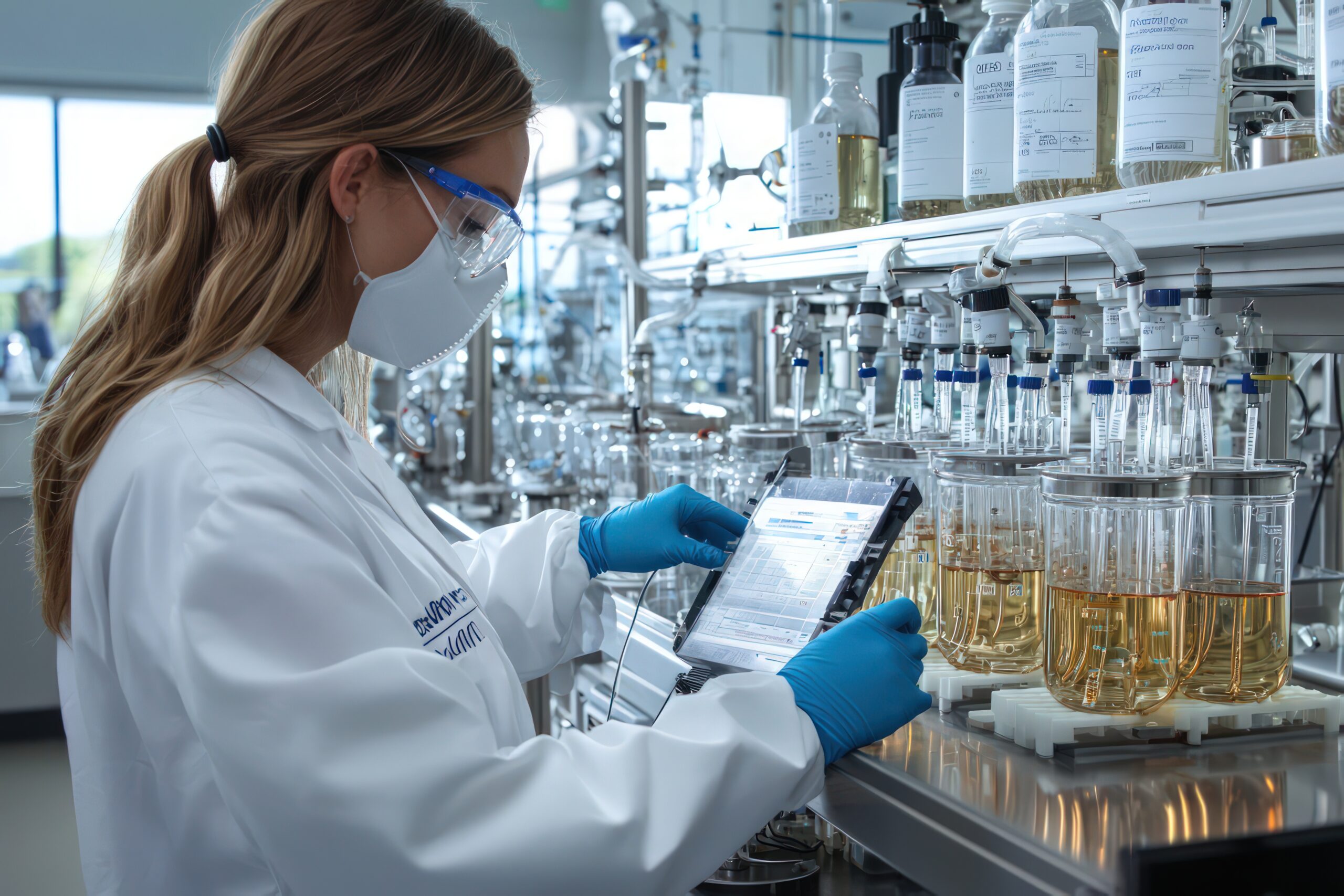
Process Development ExpertiseManufacturing Process Design That Reflects the Biology
Cell therapy manufacturing processes are not analogous to recombinant protein production. The product is a living cell population whose critical quality attributes (viability, identity, transduction efficiency, vector copy number, and potency) are established by process decisions made during development, not adjusted downstream.
DES Pharma brings direct process development experience across autologous CAR-T, TCR-T, and TIL programs as well as allogeneic NK and iPSC-derived platforms. Our approach is phase-appropriate and science-driven: we design experiments to answer the questions that matter for the next regulatory milestone. We bring that discipline from first leukapheresis planning through pre-commercial process characterization and BLA submission support.
Phase-Appropriate Services
Structured Support at
Every Development Stage
Cell therapy process development must progress with deliberate phase-gating. Early-stage decisions define the commercial process. We help programs make those decisions well from the start.
Preclinical / IND Enabling
Foundation-setting studies that inform the IND manufacturing section and establish process feasibility.
- Starting material qualification criteria
- Leukapheresis handling & apheresis product assessment
- Donor qualification for allogeneic programs
- T-cell activation strategy selection
- Lentiviral / retroviral transduction parameters
- mRNA electroporation feasibility
- CRISPR-Cas9 / transposon engineering assessment
- MOI optimization studies
- Platform selection: G-Rex, Cocoon, Prodigy
- Cryopreservation feasibility & formulation
- IND CMC section authorship & support
Phase 1 / 2 Clinical
Reproducible, documented GMP manufacturing process capable of supporting clinical batch production at CDMO scale.
- Detailed process description & sampling plan
- Scale-up of manufacturing process
- Closed vs. open manufacturing model assessment
- Tech transfer to CDMO or clinical site
- Facility fit assessment
- Person-in-plant support
- Cryopreserved product stability study design
- GMP cell banking support
- Comparability protocol authorship
- IND amendment CMC support
Pre-Commercial / Phase 3
PPQ readiness and BLA CMC section requiring a robust, characterized process with documented control strategy.
- Process characterization study design
- Scale-down model qualification
- FMEA & risk assessment drafting
- Process control strategy development
- Validation master plan drafting
- PPQ protocol & execution support
- Continued Process Verification (CPV) design
- Slot-based manufacturing modeling
- Cryopreservation & shipping validation
- BLA CMC section authorship
- Pre-approval inspection (CBER/OTAT)
Technical CapabilitiesDepth Across the Cell Therapy Manufacturing Process
Cell therapy process development demands expertise that spans cell biology, clinical operations, and GMP manufacturing. DES Pharma brings that depth across the critical unit operations that define product quality.
Leukapheresis & Starting Material
Starting material specification development, apheresis product assessment criteria, fresh vs. cryopreserved handling decisions, and donor qualification protocols. This variability is the primary source of batch-to-batch inconsistency in autologous manufacturing.
Transduction & Activation
T-cell activation strategy selection (anti-CD3/CD28 beads, TransAct, soluble cytokines), MOI optimization for lentiviral and retroviral transduction, transduction efficiency assessment, VCN targeting, and process parameter bracketing for consistent CAR expression.
Platform Engineering
Scale-up and performance characterization of G-Rex, WAVE bioreactors, Cocoon automated platforms, and CliniMACS Prodigy. Closed-system manufacturing design for reduced contamination risk. Media and cytokine (IL-2, IL-7, IL-15) optimization for target phenotype and expansion efficiency.
Cryopreservation & Formulation
This includes DMSO concentration optimization, cryobag selection, controlled-rate freezing protocol design, and post-thaw recovery characterization. Fill and finish preparation aligned with cryogenic logistics requirements and lot release specifications.
Why DES PharmaWhat We Bring to Your Process
Development Program
Phase-Appropriate Scope Control
We scope process development work to what is needed for the next regulatory milestone, not the eventual BLA. This prevents over-investment in early stages and directs resources where they create the most value.
Autologous vs. Allogeneic Distinction
We do not apply a single manufacturing framework across both autologous and allogeneic programs. The operational constraints and regulatory expectations are fundamentally different, so we consult accordingly.
Platform Technology Familiarity
Direct experience with G-Rex, Cocoon, CliniMACS Prodigy, and WAVE systems means we can advise on platform selection and performance, not just describe them. Equipment choices have lasting regulatory implications.
CMC Documentation Readiness
Process development without documentation generates data, not submissions. We integrate IND authorship, amendment support, and BLA section drafting throughout the development program rather than treating it as a downstream exercise.
CDMO Oversight & Person-in-Plant
When a critical manufacturing run occurs at your CDMO, we ensure it executes as designed, deviations are captured appropriately, and the batch record tells the full story.
Supply-Informed Process Design
Vein-to-vein timelines, cryogenic logistics, and CDMO capacity constraints are process design inputs, not afterthoughts. We design manufacturing processes with the supply chain already in view.
Our Approach
How We Engage on Cell Therapy Process Programs
We begin by understanding your program’s specific context (molecule, stage, regulatory history, and manufacturing model) before recommending a process development strategy.

Program Assessment & Gap Analysis
Review existing process data, IND documentation, and manufacturing history to identify gaps relative to phase-appropriate expectations and your target CBER/OTAT regulatory pathway.
Process Development Roadmap
Define a fit-for-purpose process development plan covering manufacturing platform decisions, characterization milestones, CDMO selection criteria, and regulatory filing timeline, integrated with your clinical plan.
Technical Execution & CDMO Oversight
Our consultants lead, support, or oversee specific workstreams: from writing process protocols and directing CDMO activities to reviewing batch data and resolving deviations in real time.
Regulatory Submission Support
Prepare, review, and respond on IND manufacturing sections, IND amendments, BLA CMC modules, and CBER/OTAT meeting packages, with the documentation quality that reflects positively on your program.
Regulatory References
21 CFR 1271
21 CFR 600
ICH Q5E
ICH Q5A
RMAT
Get Started Ready to Build a Robust Cell Therapy Manufacturing Process?
From first leukapheresis planning through PPQ and BLA submission,
DES Pharma brings the experience to move your program forward with confidence.