
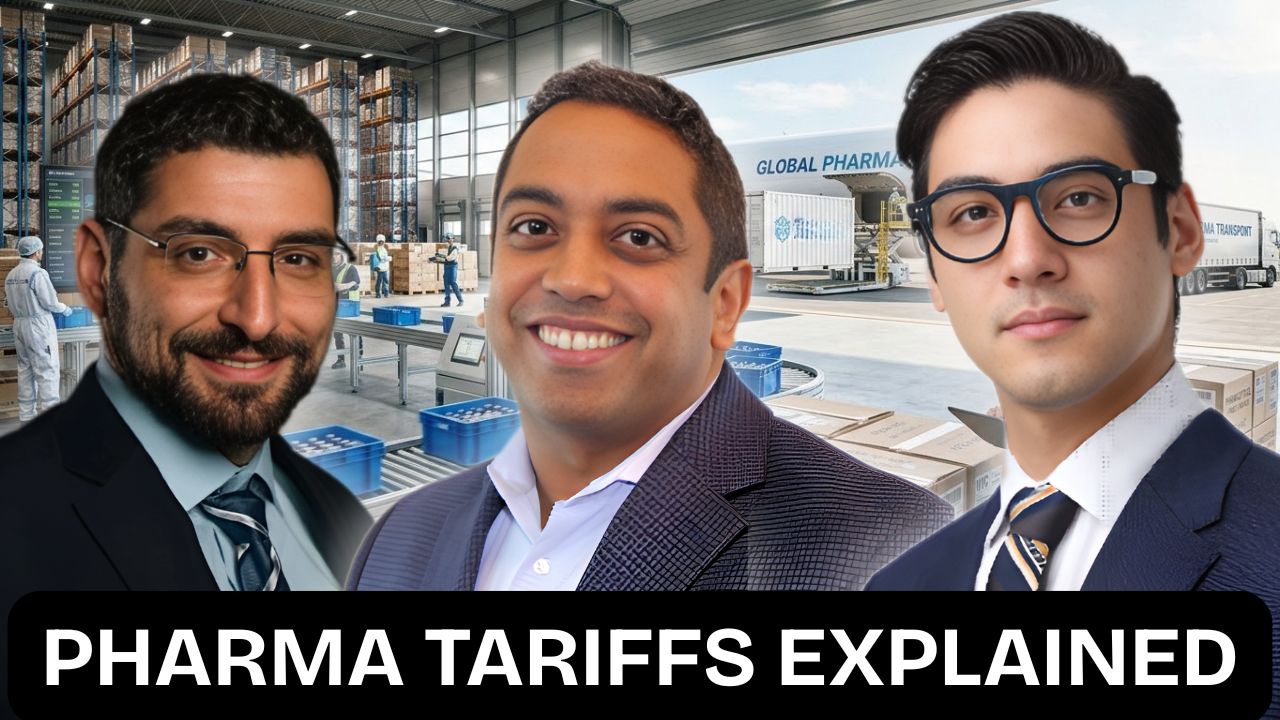
Our latest episode from The DES Pharma podcast explores the rapidly changing trade policy landscape for the pharmaceutical industry, specifically focusing on the shift from IEPA tariffs to new mechanisms like Section 122 and Section 232 (0:00–0:46). The discussion highlights how pharmaceutical companies are navigating these changes to secure their supply chains and manufacturing capabilities.
Key Tariff Mechanisms & Strategies
- USMCA Shielding: The United States-Mexico-Canada Agreement (USMCA) is currently being strategically used to shield APIs (Active Pharmaceutical Ingredients) and finished products from tariffs (2:18). By establishing manufacturing or processing steps in Mexico or Canada, companies can obtain certificates to escape certain tariffs, although this faces increased regulatory scrutiny (3:46).
- Supreme Court Impact: A recent Supreme Court decision invalidated IEPA tariffs implemented in 2025 (4:03). In response, the White House pivoted to Section 122 of the Trade Act, imposing new 10% tariffs (capable of increasing to 15%) for a limit of 150 days unless Congress intervenes (4:31).
- Section 232 Investigations: Ongoing investigations under Section 232 continue to threaten tariffs based on national security concerns (6:00). While pharmaceuticals have largely received a “pass” compared to luxury goods or automobiles, this could change (6:00).
Future Outlook and Reshoring
- Tariff Holidays: Large pharmaceutical companies are negotiating 3-year tariff holidays by investing in US manufacturing or participating in Trump RX initiatives, such as most favored nation pricing (7:19–8:08).
- Small vs. Medium Pharma: These exemptions are currently accessible mostly to large pharma, leaving small to medium-sized companies facing significant trade barriers as they prepare for 2026 (8:53).